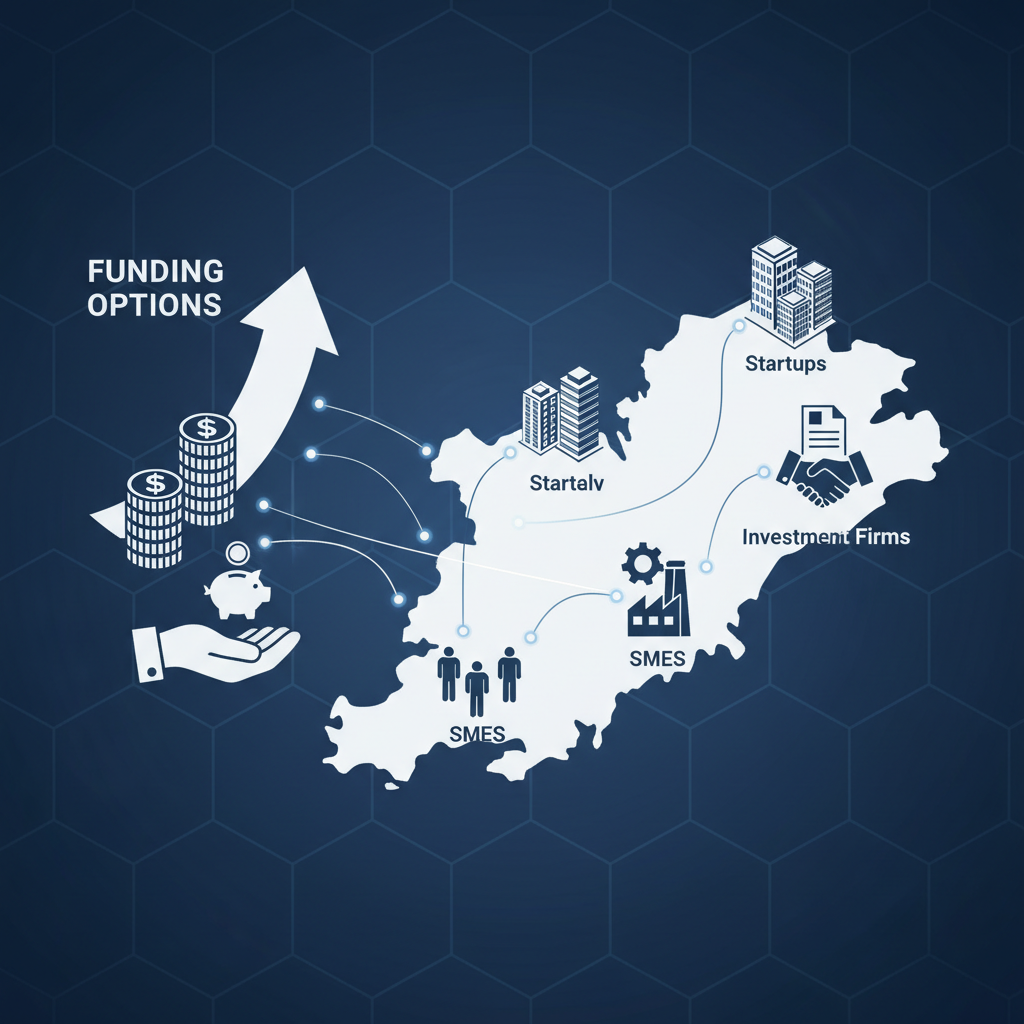
Malta's Startup Ecosystem: A Guide to Incubators, Accelerators, and Co-Working Spaces
Malta is rapidly emerging as a vibrant hub for startups, offering a robust ecosystem of incubators, accelerators, and co-working spaces designed to foster innovation and growth. This article provides an in-depth look at the resources available to entrepreneurs looking to establish or expand their ventures on the island, covering practical aspects, regulatory considerations, and key benefits.
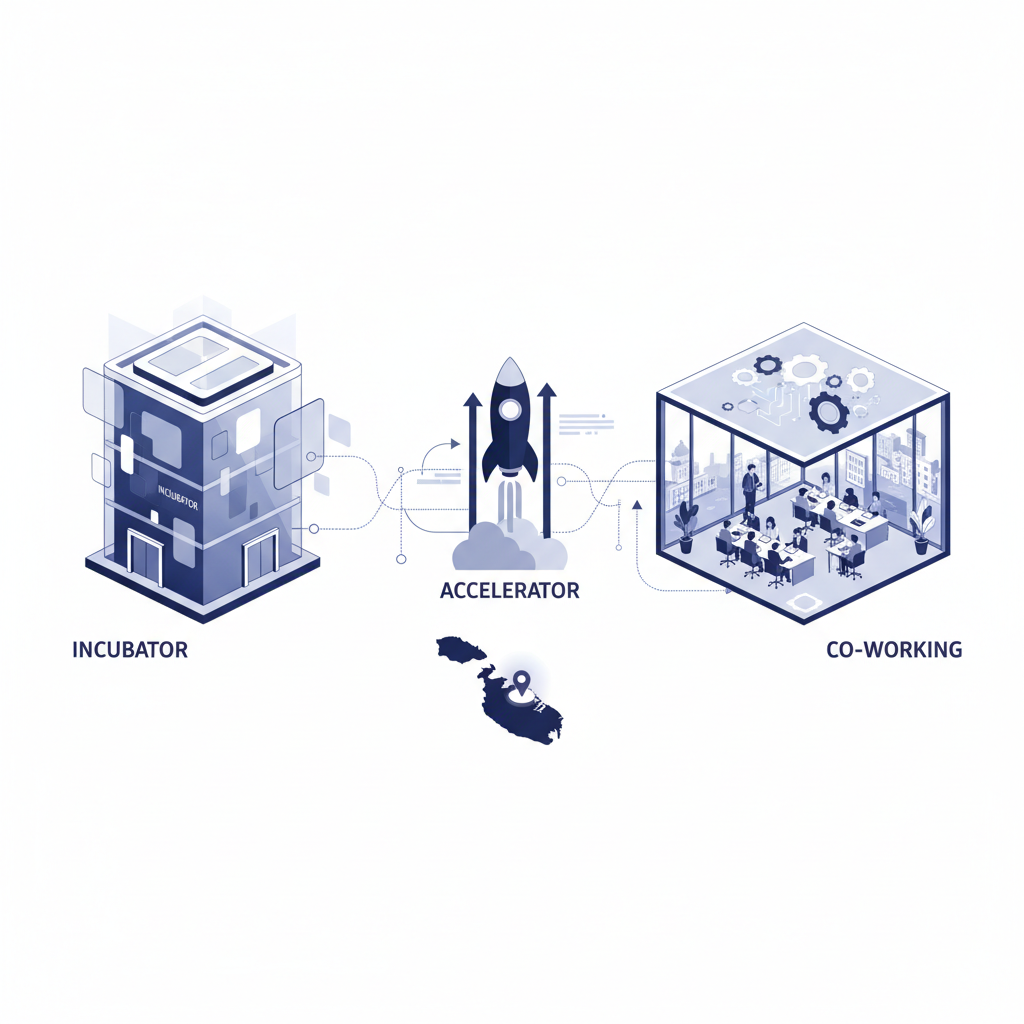
Malta's Startup Ecosystem: A Guide to Incubators, Accelerators, and Co-Working Spaces
Malta, a small island nation in the heart of the Mediterranean, has been strategically positioning itself as a dynamic and attractive destination for startups and innovative businesses. With its pro-business government policies, skilled workforce, EU membership, and a growing network of support structures, the island offers a fertile ground for entrepreneurs. Central to this burgeoning ecosystem are incubators, accelerators, and co-working spaces, which provide essential resources, mentorship, and community for new and growing ventures. Understanding the landscape of these facilities is crucial for any entrepreneur considering Malta as their operational base.
The Role of Incubators and Accelerators in Malta's Startup Growth
Incubators and accelerators play distinct yet complementary roles in nurturing startups. While both aim to support new businesses, their methodologies, timelines, and target stages of development differ. In Malta, these programs are becoming increasingly sophisticated, catering to a diverse range of industries from FinTech and iGaming to biotech and AI.
Incubators: Nurturing Early-Stage Ventures
Incubators typically focus on very early-stage startups, often before they have a fully developed product or even a clear business model. Their primary goal is to help entrepreneurs refine their ideas, build initial prototypes, and establish a solid foundation. In Malta, incubators often provide:
- Structured Mentorship: Access to experienced entrepreneurs, industry experts, and business strategists who guide founders through the initial challenges of product development, market validation, and business planning.
- Office Space and Facilities: Dedicated or shared office spaces, meeting rooms, and essential utilities, reducing overheads for nascent companies.
- Educational Programs: Workshops and seminars on critical topics such as legal compliance, intellectual property, financial management, and marketing strategy specific to the Maltese and European markets.
- Networking Opportunities: Connections to potential investors, partners, and a community of fellow entrepreneurs, fostering collaboration and knowledge sharing.
- Access to Funding: While not directly providing capital, incubators often help startups prepare for seed funding rounds and introduce them to angel investors or venture capitalists.
Malta Enterprise, the government's economic development agency, plays a significant role in supporting incubators through various schemes and incentives. For instance, the Business Start scheme can offer financial aid for eligible startups, and incubators often act as a conduit for accessing such support. The application process for incubator programs typically involves submitting a detailed business plan, a pitch deck, and an interview with the program's selection committee. Timelines can vary, but most programs have specific intake periods, usually twice a year.
Accelerators: Scaling for Rapid Growth
Accelerators, on the other hand, target startups that have already achieved some traction, perhaps with a minimum viable product (MVP) and initial customer base. Their programs are typically shorter, more intense, and designed to rapidly scale the business. In Malta, accelerators aim to:
- Intensive Mentorship and Coaching: Highly focused guidance from seasoned professionals to address specific growth challenges, market expansion, and fundraising strategies.
- Access to Capital: Many accelerators offer seed funding in exchange for equity, or they facilitate introductions to a wide network of venture capitalists and institutional investors.
- Market Access and Partnerships: Leveraging their networks to help startups enter new markets, secure strategic partnerships, and acquire key customers.
- Business Development Support: Assistance with refining sales strategies, marketing campaigns, and operational efficiencies to support rapid scaling.
- Demo Days: A culminating event where startups present their progress to a panel of investors, often leading to significant funding opportunities.
Malta's growing reputation in specific sectors, such as blockchain and AI, has led to the emergence of specialized accelerators focusing on these niches. The regulatory environment, particularly for FinTech and DLT (Distributed Ledger Technology), is often highlighted as a key advantage for startups in these fields. Costs associated with accelerators can vary; some take equity, while others might charge a program fee, though the value derived often far outweighs the direct cost.
The Rise of Co-Working Spaces in Malta
Co-working spaces have become an indispensable part of the modern startup ecosystem, offering flexibility, community, and cost-effectiveness. In Malta, the demand for such spaces has surged, reflecting the island's growing entrepreneurial spirit and influx of digital nomads and remote workers.
Benefits of Co-Working Spaces
- Flexibility and Cost-Efficiency: Entrepreneurs can avoid long-term leases and significant upfront capital expenditure associated with traditional office setups. Most co-working spaces offer flexible membership plans, from daily passes to dedicated desks and private offices.
- Networking and Collaboration: These spaces naturally foster interaction among diverse professionals, leading to spontaneous collaborations, idea sharing, and potential business opportunities. The cross-pollination of ideas is a significant advantage.
- Professional Environment: Co-working spaces provide a professional setting with amenities like high-speed internet, meeting rooms, printing services, and reception services, enhancing a company's image and operational efficiency.
- Community and Events: Many co-working spaces regularly host workshops, networking events, and social gatherings, helping members integrate into the local business community and learn new skills.
- Access to Services: Some co-working spaces partner with legal, accounting, and marketing firms to offer discounted services to their members, further supporting startups.
Key Co-Working Locations and Features
Malta boasts several prominent co-working spaces, primarily concentrated in commercial hubs like Sliema, St. Julian's, and Birkirkara. These areas offer excellent connectivity, amenities, and a vibrant business atmosphere. Examples include:
- SOHO Office Spaces: With multiple locations across Malta, SOHO offers a range of options from hot desks to private offices, known for their modern design and comprehensive amenities.
- The Hub Workspace: Located in San Gwann, The Hub provides a collaborative environment with a focus on community building and events.
- Grand Central: Situated in Valletta, offering a prestigious address and a professional setting for businesses.
Membership costs for co-working spaces in Malta generally range from €150 to €400 per month for a hot desk or dedicated desk, with private offices costing upwards of €500-€800 per month depending on size and location. These costs are often inclusive of utilities, internet, and basic office services, representing a significant saving compared to traditional office rentals.
Regulatory Landscape and Government Support
Malta's government is highly proactive in supporting the startup ecosystem. Malta Enterprise is the primary agency responsible for attracting foreign direct investment and assisting local businesses. They offer a suite of incentives and schemes that are particularly beneficial for startups and innovative companies:
- Business Start Scheme: Provides financial grants to assist new businesses with initial capital expenditure, salaries, and other operational costs.
- Startup Finance: Offers access to financing for innovative startups, often in the form of soft loans or guarantees.
- Research & Development (R&D) Tax Credits: Incentives for companies engaging in R&D activities, which are crucial for many tech and biotech startups.
- Micro Invest Scheme: A tax credit scheme for micro-enterprises and self-employed individuals to support investments in their business.
- Malta Digital Innovation Authority (MDIA): Established to provide legal certainty for innovative technology arrangements, making Malta a pioneering jurisdiction for DLT and AI.
Navigating the regulatory landscape for company formation in Malta is relatively straightforward. The process typically involves registering with the Malta Business Registry (MBR), obtaining a tax identification number, and registering for VAT if applicable. Legal and accounting firms specializing in company formation can facilitate this process, which usually takes a few weeks. The cost for company formation can range from €1,500 to €3,000, depending on the complexity and services required.
Challenges and Opportunities
While Malta offers significant advantages, entrepreneurs should also be aware of potential challenges. The small market size can be a limitation for businesses targeting only the local market, necessitating an international growth strategy from the outset. Talent acquisition, particularly for highly specialized tech roles, can also be competitive. However, government initiatives to attract foreign talent and upskill the local workforce are addressing these issues.
Opportunities abound in sectors where Malta has established a strong niche or is actively developing expertise. These include:
- FinTech and Blockchain: Malta's progressive regulatory framework for DLT and virtual financial assets (VFAs) makes it a prime location for blockchain-based startups.
- iGaming: A well-established industry with a robust regulatory framework, offering opportunities for related tech and service providers.
- Digital Health and Biotech: Growing interest and investment in these sectors, supported by research institutions and government initiatives.
- AI and IoT: Emerging areas with significant potential, backed by strategic national plans for digital innovation.
Conclusion
Malta's commitment to fostering a vibrant startup ecosystem is evident in its growing network of incubators, accelerators, and co-working spaces, complemented by robust government support and a progressive regulatory environment. For entrepreneurs seeking a European base with a pro-business approach, access to funding incentives, and a supportive community, Malta presents a compelling proposition. While challenges exist, the opportunities for innovation and growth, particularly in specialized tech sectors, make the island an increasingly attractive destination. By leveraging the resources available through these support structures, startups can significantly enhance their chances of success and contribute to Malta's dynamic economic landscape.