Navigating Funding Options for Startups and SMEs in Luxembourg: A Comprehensive Guide
Luxembourg, a dynamic hub for innovation and finance, offers a diverse array of funding opportunities for startups and Small and Medium-sized Enterprises (SMEs). This article delves into the various avenues available, from public grants and private equity to venture capital and crowdfunding, providing a roadmap for entrepreneurs seeking to establish and grow their businesses in the Grand Duchy.
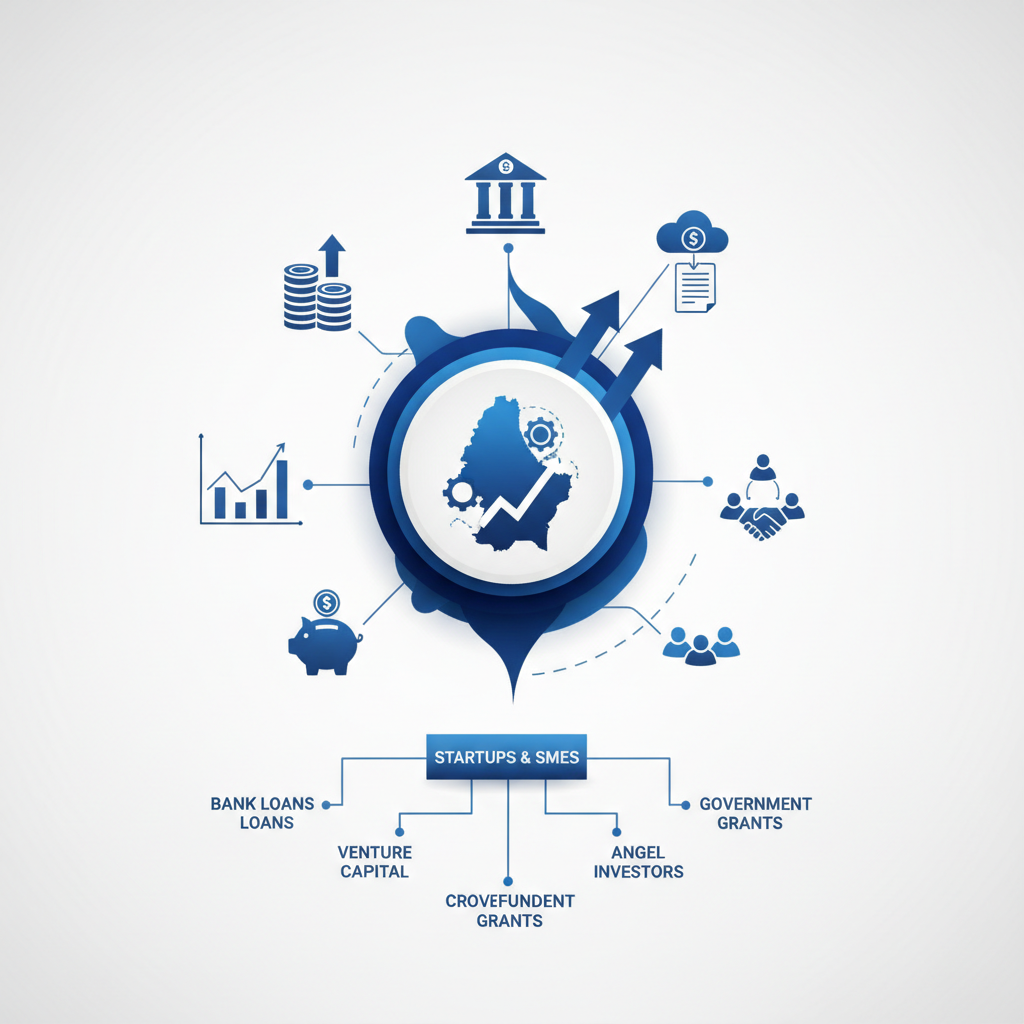
Luxembourg, renowned for its stable economy, strategic location, and business-friendly environment, has emerged as a compelling destination for both nascent startups and established SMEs. Access to capital is often the most critical determinant of a business's success, and in Luxembourg, entrepreneurs are presented with a rich tapestry of funding options. Navigating this landscape requires a clear understanding of the available mechanisms, their eligibility criteria, and the strategic advantages each offers. This comprehensive guide aims to demystify the funding ecosystem in Luxembourg, providing practical insights for businesses seeking financial support.
Understanding the Luxembourgish Funding Landscape
Luxembourg’s government and private sector have cultivated an environment conducive to business growth, particularly for innovative and high-potential ventures. The country’s commitment to fostering entrepreneurship is evident in the numerous initiatives and support structures in place. The funding landscape is characterised by a blend of public aid schemes, sophisticated private investment vehicles, and an increasingly vibrant alternative finance sector. Entrepreneurs should first assess their business stage, capital requirements, and growth projections to identify the most suitable funding path.
Key Players and Support Structures
Several key institutions play a pivotal role in facilitating funding for startups and SMEs in Luxembourg:
- Ministry of the Economy: Responsible for developing and implementing economic policies, including various state aid schemes.
- Luxinnovation: The national agency for innovation and research, providing support for R&D projects, internationalisation, and access to funding.
- Société Nationale de Crédit et d'Investissement (SNCI): A public banking institution offering medium and long-term financing to Luxembourgish enterprises.
- Luxembourg House of Financial Technology (LHoFT): A public-private initiative fostering innovation in financial services, often connecting startups with investors.
- Chamber of Commerce: Offers advisory services and networking opportunities.
Public Funding and State Aid Schemes
Luxembourg offers a robust framework of public funding designed to stimulate innovation, R&D, and the overall economic development of SMEs. These schemes often come in the form of grants, subsidies, or preferential loans, reducing the financial burden on businesses.
Research, Development, and Innovation (RDI) Aid
One of the most significant public funding avenues is RDI aid, administered by the Ministry of the Economy and Luxinnovation. This aid supports companies engaged in research, experimental development, and innovation activities. Eligibility typically depends on the project's innovative character, its potential economic impact, and the company's size. Aid intensity can vary significantly, often covering a percentage of eligible costs such as personnel, equipment, and external services. The application process involves submitting a detailed project proposal, a business plan, and financial projections. Timelines for approval can range from a few weeks to several months, depending on the complexity of the project and the completeness of the application.
SME Investment Aid
This scheme aims to support investments made by SMEs in tangible and intangible assets, such as machinery, equipment, software, and patents. The objective is to enhance productivity, foster modernisation, and promote sustainable growth. The aid can take the form of grants or interest subsidies on loans. Criteria often include the nature of the investment, its contribution to job creation or economic diversification, and the company's financial health. The application process typically involves submitting an investment plan and financial statements to the Ministry of the Economy.
Environmental Protection and Energy Efficiency Aid
In line with Luxembourg's commitment to sustainability, specific aid schemes are available for investments that contribute to environmental protection, energy efficiency, and the circular economy. These can include investments in renewable energy, waste reduction, or sustainable production processes. The aid intensity is often attractive, reflecting the government's strategic priorities in these areas.
SNCI Loans and Participations
The SNCI plays a crucial role in providing financing solutions that complement commercial bank offerings. Their products include investment loans, innovation loans, and equity participations. SNCI loans often feature longer repayment periods and more flexible terms than traditional bank loans. For instance, an investment loan from SNCI might cover up to 75% of eligible investment costs, with repayment periods extending up to 10 years. SNCI also offers 'start-up loans' specifically tailored for newly created innovative companies, providing a vital lifeline in their early stages. The application process for SNCI financing requires a robust business plan, detailed financial forecasts, and often a co-financing commitment from a commercial bank.
Private Equity and Venture Capital
Luxembourg's sophisticated financial sector is home to numerous private equity and venture capital (VC) firms, making it an attractive hub for growth-stage companies seeking substantial capital injections. These investors typically provide funding in exchange for an equity stake in the company and often bring valuable strategic guidance and industry connections.
Venture Capital Funds
VC funds in Luxembourg primarily target high-growth, innovative startups with significant scalability potential. They are particularly interested in sectors such as FinTech, SpaceTech, HealthTech, and ICT, aligning with Luxembourg's strategic economic diversification efforts. Prominent VC firms and angel investor networks operate within the Grand Duchy, actively seeking promising ventures. The investment process typically involves multiple rounds, from seed funding to Series A, B, and beyond. Entrepreneurs seeking VC funding must present a compelling pitch deck, a detailed business plan, a strong management team, and a clear exit strategy. The due diligence process can be extensive, focusing on market potential, competitive advantage, intellectual property, and financial projections. Notable players include the Luxembourg Business Angel Network (LBAN) and various institutional VC funds.
Private Equity Funds
Private equity (PE) funds generally invest in more mature companies with proven business models, seeking to optimise operations, expand market share, or facilitate mergers and acquisitions. While less common for early-stage startups, PE can be a significant funding source for scaling SMEs looking for substantial growth capital or strategic restructuring. The investment size is typically larger than VC, and the investment horizon can be longer.
Alternative Funding Mechanisms
Beyond traditional public and private equity, several alternative funding mechanisms are gaining traction in Luxembourg, offering flexible and accessible options for businesses.
Crowdfunding
Crowdfunding platforms have emerged as a viable option for startups and SMEs to raise capital from a large number of individuals, often in exchange for equity, debt, or rewards. Luxembourg has a clear regulatory framework for crowdfunding, making it an attractive jurisdiction for both platforms and fundraisers. The Commission de Surveillance du Secteur Financier (CSSF) oversees crowdfunding activities, ensuring investor protection. Equity crowdfunding allows companies to sell shares to the public, while lending crowdfunding (peer-to-peer lending) involves borrowing money from individuals. Reward-based crowdfunding is often used for product pre-sales or community building. The cost of crowdfunding typically involves platform fees, which can be a percentage of the funds raised. The timeline for a successful crowdfunding campaign can vary, but effective marketing and a compelling story are crucial.
Business Angels
Business angels are high-net-worth individuals who invest their personal capital in early-stage companies, often providing not only funding but also mentorship, industry expertise, and networking opportunities. The Luxembourg Business Angel Network (LBAN) connects angels with promising startups. While the investment amounts are generally smaller than VC funds, the strategic guidance from experienced entrepreneurs can be invaluable. The process usually involves pitching to individual angels or angel groups, followed by due diligence and negotiation of terms.
Bank Loans and Guarantees
Traditional bank loans remain a cornerstone of SME financing. Luxembourgish banks offer various loan products, including working capital loans, investment loans, and overdraft facilities. While banks typically require collateral and a strong credit history, government-backed guarantee schemes can mitigate some of the risks for lenders, making it easier for SMEs to access financing. For example, the SNCI often works in conjunction with commercial banks to provide co-financing or guarantees.
Conclusion
Luxembourg presents a multifaceted and supportive funding ecosystem for startups and SMEs. From generous public grants and state aid schemes designed to foster innovation and sustainable growth, to a sophisticated private equity and venture capital market, and increasingly popular alternative finance options like crowdfunding and business angels, entrepreneurs have a wide array of choices. Successfully securing funding hinges on a clear understanding of each option's nuances, meticulous preparation of a robust business plan, and a strategic approach to engaging with potential funders. While the processes can be rigorous, the rewards of establishing and growing a business in Luxembourg, supported by its diverse financial resources, are substantial, positioning companies for both national and international success.