Navigating Ireland's Entrepreneurial Ecosystem: Incubators, Accelerators, and Co-Working Spaces
Ireland has emerged as a vibrant hub for startups, offering a robust ecosystem of incubators, accelerators, and co-working spaces designed to foster innovation and growth. This article delves into the diverse landscape of these support structures, providing essential insights for entrepreneurs looking to establish or scale their ventures in the Emerald Isle. From strategic guidance to collaborative environments, understanding these resources is key to entrepreneurial success.
Navigating Ireland's Entrepreneurial Ecosystem: Incubators, Accelerators, and Co-Working Spaces
Ireland has firmly established itself as a dynamic and attractive destination for entrepreneurs and startups. Its strategic location, pro-business environment, and access to a highly skilled workforce, coupled with a supportive government and a thriving venture capital scene, make it an ideal launchpad for innovative ventures. Central to this success are the myriad incubators, accelerators, and co-working spaces that provide critical infrastructure, mentorship, and community for fledgling and scaling businesses. Understanding the distinctions and benefits of each, as well as how to access them, is paramount for any entrepreneur looking to thrive in the Irish market.
The Irish Startup Landscape: A Growing Hub
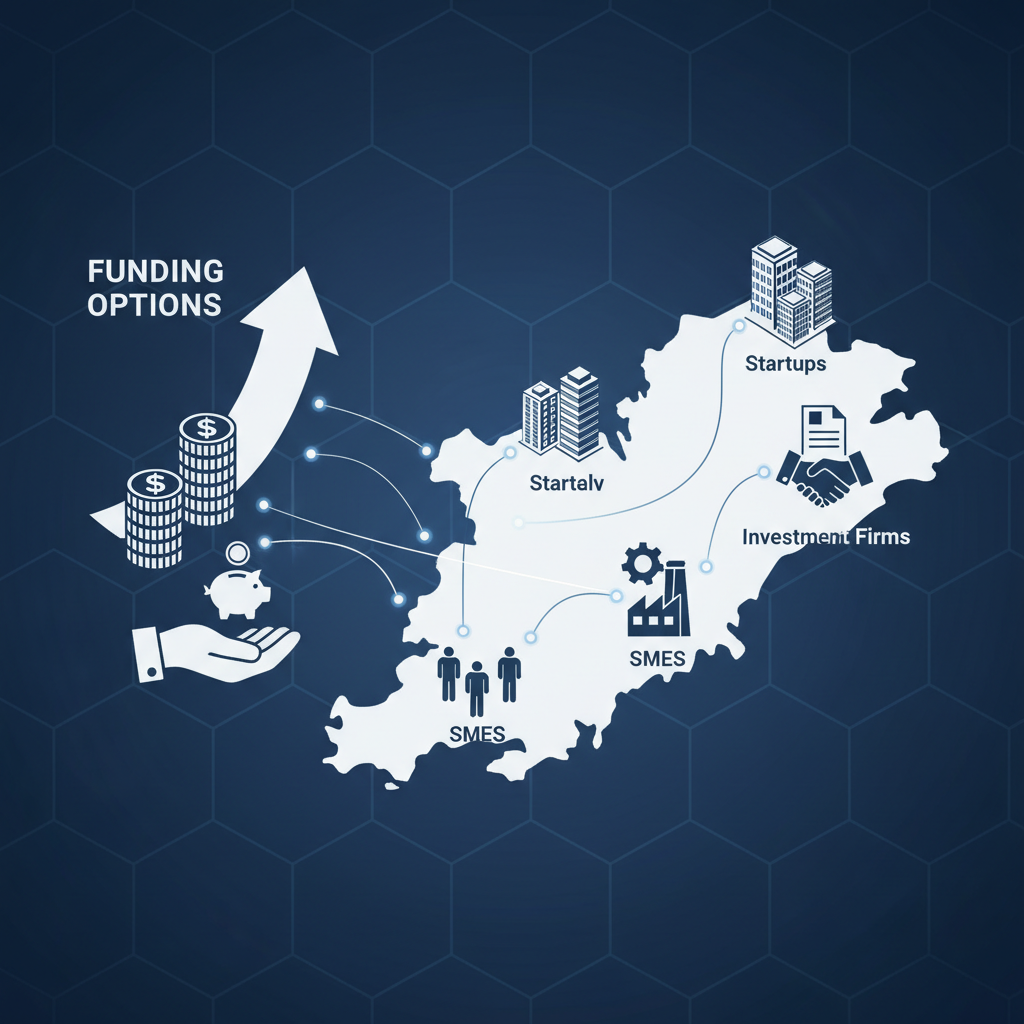
Ireland's commitment to fostering a strong startup ecosystem is evident in its continuous investment in support mechanisms and infrastructure. Government agencies like Enterprise Ireland and the Local Enterprise Offices (LEOs) play a pivotal role, offering funding, training, and networking opportunities. This supportive environment has attracted significant foreign direct investment, particularly in technology, pharmaceuticals, and financial services, which in turn fuels a culture of innovation and entrepreneurship. The country's membership in the European Union also provides a gateway to a larger market, making it an appealing base for international expansion.
The capital, Dublin, is often seen as the epicentre of this activity, boasting a high concentration of tech giants and a bustling startup scene. However, regional cities like Cork, Galway, Limerick, and Waterford are also developing their own vibrant ecosystems, supported by local universities and dedicated enterprise centres. This decentralisation offers entrepreneurs a choice of environments, each with its unique advantages in terms of talent pool, cost of living, and industry specialisation. For example, Cork is strong in cybersecurity and med-tech, while Galway has a growing reputation in medical devices.
Incubators: Nurturing Early-Stage Ventures
Incubators are designed to support early-stage startups, often pre-seed or seed, providing a structured environment for concept development and validation. They typically offer a longer program duration, ranging from several months to a few years, focusing on foundational business building. The core offerings of an incubator usually include:
- Office Space and Facilities: Dedicated or shared office space, meeting rooms, high-speed internet, and essential utilities.
- Mentorship and Guidance: Access to experienced mentors, industry experts, and business advisors who provide strategic direction, market insights, and operational advice.
- Business Development Support: Workshops and training on business planning, financial modelling, legal compliance, intellectual property, and marketing strategies.
- Networking Opportunities: Connections to potential investors, partners, and customers, as well as a peer network of fellow entrepreneurs.
- Access to Funding: While incubators themselves may not provide direct funding, they often assist in preparing startups for investor pitches and connect them with angel investors, venture capitalists, and grant opportunities.
Key Incubators in Ireland:
- NovaUCD (University College Dublin): A prime example of a university-linked incubator, NovaUCD supports knowledge-intensive ventures emerging from UCD research and beyond. It offers state-of-the-art facilities, a strong mentorship network, and a pathway to investment.
- Rubicon Centre (Munster Technological University, Cork): One of Ireland's largest business innovation centres, the Rubicon provides incubation services for a wide range of sectors, with a particular focus on technology and engineering.
- Nexus Innovation Centre (University of Limerick): Supporting high-potential startups, Nexus offers incubation space, business support, and access to UL's research capabilities.
Costs and Timelines: Participation in incubators can vary. Some are grant-funded or require a small monthly fee, while others may take a small equity stake in exchange for their services. The application process typically involves submitting a business plan, a pitch deck, and an interview. Timelines for acceptance can range from a few weeks to a couple of months.
Accelerators: Fast-Tracking Growth and Investment
Accelerators, as their name suggests, are designed to rapidly scale promising startups that have already achieved some level of product-market fit or traction. They typically run for a shorter, more intensive period, usually 3-6 months, culminating in a 'Demo Day' where startups pitch to a room full of investors. Key characteristics include:
- Intensive Mentorship: Highly focused, hands-on mentorship from successful entrepreneurs and industry leaders.
- Structured Curriculum: A rigorous program covering product development, market penetration, fundraising strategies, and team building.
- Seed Funding: Most accelerators provide a small amount of seed funding (e.g., €20k - €100k) in exchange for a small equity stake (typically 5-10%).
- Investor Access: Direct connections to a network of angel investors, venture capitalists, and corporate partners.
- Peer Learning: The cohort model fosters a strong sense of community and allows for invaluable peer-to-peer learning.
Prominent Accelerators in Ireland:
- NDRC (National Digital Research Centre): A leading early-stage investor and accelerator, NDRC has a strong track record of supporting digital startups across various sectors. They offer pre-seed investment and intensive programmes.
- Techstars Dublin: Part of the global Techstars network, this accelerator focuses on specific verticals (e.g., fintech, sustainability) and provides access to a global mentor and investor network.
- Bank of Ireland StartUp Accelerator: Often run in partnership with other organisations, these programmes focus on specific sectors and leverage Bank of Ireland's extensive network.
Costs and Timelines: Accelerators typically offer funding in exchange for equity. The application process is highly competitive, often involving multiple rounds of interviews and pitches. Acceptance rates are low, reflecting the high demand and quality of programmes. Applications usually open at specific times of the year, with programmes commencing shortly after selection.
Co-Working Spaces: Flexible Environments for Collaboration
Co-working spaces offer flexible office solutions and a collaborative environment for freelancers, remote workers, and startups at all stages. Unlike incubators and accelerators, they do not typically offer structured programmes or direct funding, but they provide a vital community and infrastructure. Their benefits include:
- Flexibility: Various membership options, from hot desks to dedicated offices, with flexible lease terms.
- Cost-Effectiveness: Significantly cheaper than traditional office rentals, especially for small teams or individuals.
- Networking: Opportunities to connect with a diverse community of professionals, leading to potential collaborations, partnerships, and knowledge sharing.
- Amenities: Access to high-speed internet, meeting rooms, printing facilities, kitchenettes, and often community events.
- Professional Image: A professional business address and environment without the overheads of a traditional office.
Popular Co-Working Spaces Across Ireland:
- Dogpatch Labs (Dublin): Located in the CHQ Building, Dogpatch Labs is one of Ireland's most prominent co-working spaces, hosting numerous tech companies and community events. It also partners with Google for Startups.
- WeWork (Dublin): A global player, WeWork offers multiple locations in Dublin, providing modern, amenity-rich spaces catering to various business sizes.
- Regus/Spaces (Nationwide): These global providers offer flexible office solutions and co-working options in major cities across Ireland, suitable for businesses seeking a professional presence.
- Republic of Work (Cork): A vibrant co-working hub in Cork city centre, offering a range of flexible workspaces and a strong community focus.
- PorterShed (Galway): A key innovation hub in the West of Ireland, PorterShed provides co-working, incubation, and event space, fostering the region's tech ecosystem.
Costs and Timelines: Co-working space costs vary widely based on location, type of membership (hot desk vs. dedicated desk vs. private office), and included amenities. Prices can range from €150-€500+ per month for a hot desk to €600-€1500+ for a private office. Membership is typically on a rolling monthly basis, offering maximum flexibility.
Choosing the Right Fit: Considerations for Entrepreneurs
Selecting the appropriate support structure is a critical decision that depends on your startup's stage, needs, and goals. Here are some key considerations:
- Stage of Development: Are you at the idea stage (incubator), have some traction and need to scale (accelerator), or simply need a flexible workspace and community (co-working)?
- Funding Needs: Do you require seed funding (accelerator) or are you looking for guidance on fundraising (incubator)? Co-working spaces do not typically offer funding.
- Mentorship and Programme Structure: Do you prefer a long-term, foundational approach (incubator) or an intensive, rapid growth programme (accelerator)? Or do you value flexibility and self-direction (co-working)?
- Industry Focus: Some incubators and accelerators specialise in particular sectors (e.g., fintech, med-tech). Aligning with a relevant programme can provide tailored support and industry connections.
- Location: Consider the geographical location, access to talent, industry clusters, and cost of living. While Dublin offers the largest ecosystem, regional hubs provide unique advantages.
- Community and Culture: Visit the spaces, talk to current members, and assess if the culture aligns with your values and working style. A strong community can be invaluable for support and collaboration.
Regulatory and Legal Aspects
While incubators, accelerators, and co-working spaces primarily offer business support and infrastructure, entrepreneurs must also be mindful of the regulatory and legal landscape in Ireland. When engaging with accelerators, pay close attention to the terms of the equity agreement, including valuation, vesting schedules, and intellectual property rights. It is advisable to seek independent legal counsel to review any agreements before signing. For co-working spaces, understand the terms of your membership agreement, including cancellation policies, liability, and data security protocols. Ensuring your business is properly registered with the Companies Registration Office (CRO) and compliant with Irish tax laws (Revenue Commissioners) is a fundamental prerequisite regardless of the support structure you choose.
Conclusion
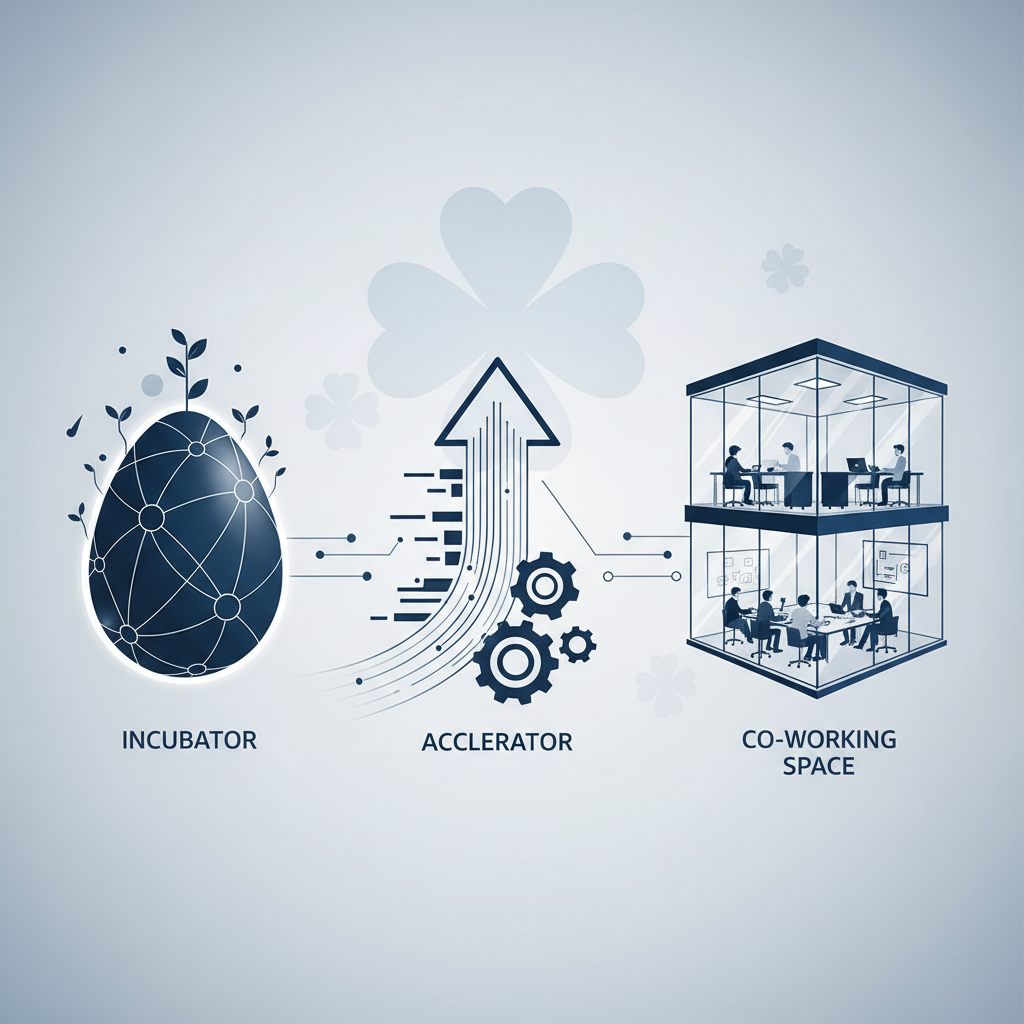
Ireland's entrepreneurial ecosystem is rich and diverse, offering a spectrum of support mechanisms for businesses at every stage of their journey. Incubators provide a nurturing environment for early-stage ideas, accelerators propel promising ventures towards rapid growth and investment, and co-working spaces offer flexible, collaborative environments for a wide array of professionals. By carefully assessing their specific needs and leveraging the extensive resources available, entrepreneurs can significantly enhance their chances of success in the vibrant Irish market. The strategic combination of government support, access to capital, a skilled workforce, and a thriving community makes Ireland an exceptional place to build and scale a business, with these support structures acting as critical pillars of its success.