United Kingdom Startup Ecosystem: Opportunities, Support, and Growth Strategies
The United Kingdom stands as a global hub for innovation, offering a vibrant startup ecosystem rich with opportunities. This article delves into the key advantages, comprehensive support programs, and strategic insights for entrepreneurs looking to launch and scale their ventures in the UK.

The United Kingdom has firmly established itself as a powerhouse for innovation and entrepreneurship, consistently ranking among the top global destinations for startups. Its dynamic ecosystem, characterised by a strong talent pool, access to capital, robust legal frameworks, and a culture of innovation, presents unparalleled opportunities for new ventures. For entrepreneurs contemplating launching a business, understanding the intricacies of the UK's startup landscape, from regulatory processes to available support mechanisms, is paramount.
The Allure of the UK Startup Scene
The UK's appeal to startups is multifaceted. London, in particular, is a world-leading financial and tech hub, often referred to as 'Silicon Roundabout' due to its concentration of technology companies. Beyond the capital, cities like Manchester, Edinburgh, Bristol, and Cambridge also boast thriving ecosystems, each with their own specialisations, such as FinTech, AI, life sciences, and advanced manufacturing. This geographical diversity ensures that founders can find a suitable environment for their specific industry.
One of the primary draws is the access to a highly skilled and diverse workforce. The UK's universities consistently produce top-tier graduates in STEM fields, and its immigration policies, while evolving, generally support the recruitment of international talent, particularly for high-growth sectors. This talent pool is crucial for developing innovative products and services.
Furthermore, the UK's legal system, based on common law, is renowned for its clarity, predictability, and fairness, providing a stable environment for business operations. The ease of company formation, with Companies House offering a streamlined online registration process, means a business can be legally established within 24 hours for a nominal fee (currently around £12 for online registration). This efficiency significantly reduces the initial bureaucratic hurdles faced by new businesses.
Key Economic Indicators and Market Access
The UK boasts the sixth-largest economy in the world, providing a substantial domestic market for startups. Its strategic location offers excellent connectivity to European, American, and Asian markets, making it an ideal launchpad for international expansion. The government's commitment to fostering innovation is evident through various initiatives aimed at attracting foreign direct investment and supporting domestic growth.
Comprehensive Support Programs and Funding
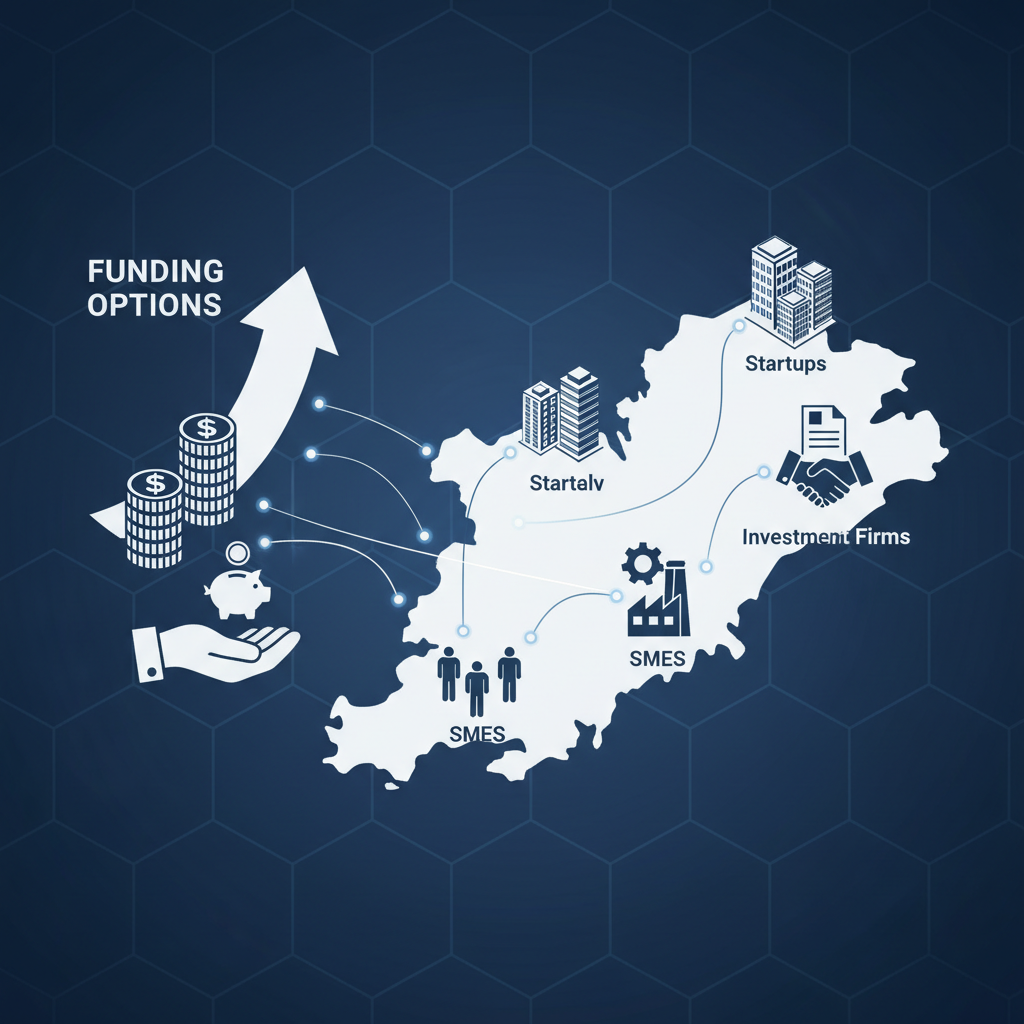
Entrepreneurs in the UK benefit from a wide array of government-backed schemes, private accelerators, and venture capital funding opportunities. These support structures are designed to nurture startups from concept to scale-up.
Government Initiatives and Tax Reliefs
- Seed Enterprise Investment Scheme (SEIS) and Enterprise Investment Scheme (EIS): These are perhaps the most attractive tax relief schemes for early-stage investors. SEIS offers substantial tax breaks (50% income tax relief, capital gains tax exemption) for investments up to £200,000 in very early-stage companies, while EIS provides 30% income tax relief for investments up to £1 million in slightly more mature startups. These schemes significantly de-risk angel and venture capital investments, making UK startups highly appealing to investors.
- Innovate UK: This public body provides grants and loans to businesses to stimulate innovation across various sectors. Their funding competitions are highly competitive but offer non-dilutive capital, which is invaluable for early-stage development.
- Research and Development (R&D) Tax Credits: Companies investing in R&D can claim significant tax relief, either as a reduction in corporation tax or as a cash payment if the company is loss-making. This scheme is particularly beneficial for tech and science-based startups.
- Start-Up Loans: Delivered by the British Business Bank, these are personal loans for business purposes, available to individuals starting or growing a business in the UK. They come with free dedicated mentoring and a fixed interest rate.
Accelerators, Incubators, and Venture Capital
The UK is home to numerous world-class accelerators and incubators, such as Techstars, Entrepreneur First, and Wayra, which provide mentorship, office space, networking opportunities, and often initial seed funding in exchange for equity. These programs are crucial for refining business models, gaining market traction, and preparing for subsequent funding rounds.
London is a global leader in venture capital funding, attracting billions of pounds annually. A robust network of angel investors, venture capital firms (e.g., Accel, Balderton Capital, Octopus Ventures), and corporate venture arms actively seek promising startups across all sectors. The availability of capital, particularly for innovative and scalable ventures, is a significant advantage.
Regulatory Environment and Compliance
Navigating the regulatory landscape is a critical aspect of launching a business. The UK's regulatory framework is generally considered transparent and business-friendly, but adherence to specific laws is essential.
Company Formation and Governance
As mentioned, company formation through Companies House is straightforward. Key steps include choosing a company name, appointing directors and a company secretary (optional for private companies), and defining the company's articles of association. All companies must comply with the Companies Act 2006, which governs their operation, reporting requirements, and corporate governance.
Taxation and Accounting
UK companies are subject to Corporation Tax on their profits. The standard rate is currently 19%, but this can vary based on profit levels. Value Added Tax (VAT) applies to most goods and services, and businesses must register for VAT if their taxable turnover exceeds the threshold (currently £90,000). Payroll taxes (PAYE) and National Insurance Contributions (NICs) apply to employee salaries. Engaging a qualified accountant is highly recommended from the outset to ensure compliance and optimise tax efficiency.
Data Protection and Intellectual Property
The UK adheres to the General Data Protection Regulation (GDPR) via the UK GDPR and the Data Protection Act 2018, which mandates strict rules around handling personal data. Startups must ensure their data processing activities are compliant. Protecting intellectual property (IP) is also crucial. The UK Intellectual Property Office (IPO) provides mechanisms for registering trademarks, patents, and designs, safeguarding innovations from infringement.
Strategic Growth and Internationalisation
For startups looking beyond initial launch, the UK offers excellent pathways for scaling and international expansion.
Access to Global Markets
The UK's strong trade links and established business networks facilitate access to international markets. Government bodies like the Department for Business and Trade (DBT) offer support, advice, and resources for companies looking to export or establish a global presence. Trade agreements and diplomatic relations further streamline this process.
Talent Acquisition and Retention
While the UK boasts a strong talent pool, competition for skilled individuals, particularly in tech, can be fierce. Startups must develop compelling employee value propositions, including competitive salaries, equity options, and a positive work culture. The UK's visa system, including the Skilled Worker visa and the Global Talent visa, provides avenues for attracting international expertise when domestic talent is scarce.
Continuous Innovation and Adaptation
The UK ecosystem thrives on continuous innovation. Startups are encouraged to embrace agile methodologies, iterate rapidly, and adapt to market changes. Networking within industry-specific clusters and engaging with research institutions can provide valuable insights and opportunities for collaboration.
Conclusion
The United Kingdom presents a fertile ground for startups, characterised by a supportive government, abundant funding opportunities, a skilled workforce, and a robust regulatory environment. While navigating compliance and securing funding requires diligence, the comprehensive support systems, from tax incentives like SEIS/EIS to a vibrant accelerator network, significantly enhance the chances of success. For entrepreneurs with innovative ideas and a drive to scale, the UK offers a clear pathway to establishing and growing a thriving business on a global stage. The ease of company formation, coupled with strategic access to capital and markets, positions the UK as an undeniable leader in the global startup landscape, making it an attractive destination for ambitious founders worldwide.