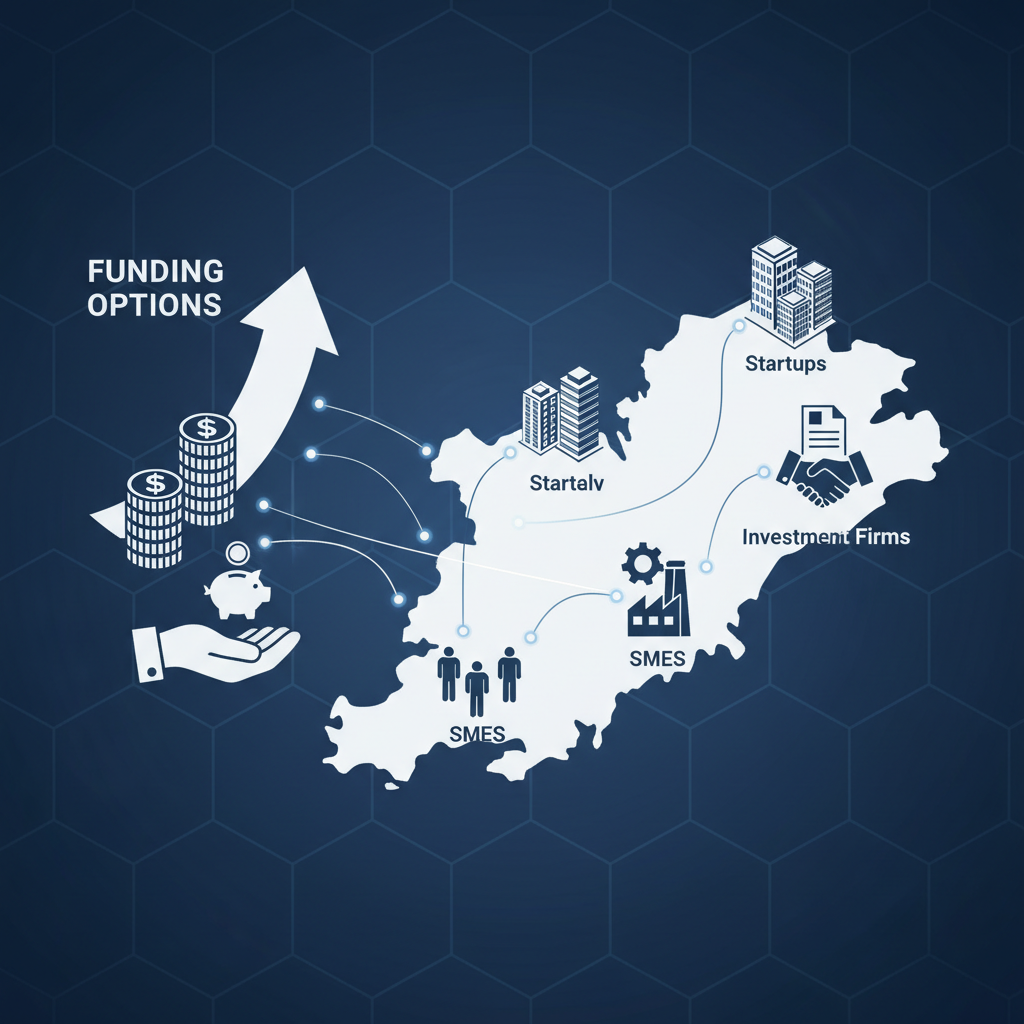
Unlocking Growth: A Guide to Government Grants and Subsidies for Small Businesses in Malta
Malta offers a robust landscape of government grants and subsidies designed to stimulate growth, innovation, and sustainability among its small and medium-sized enterprises (SMEs). This comprehensive guide delves into the various programs available, outlining eligibility, application processes, and strategic considerations for Maltese businesses seeking financial support.

Unlocking Growth: A Guide to Government Grants and Subsidies for Small Businesses in Malta
Malta, a dynamic European Union member state, actively fosters a supportive environment for small and medium-sized enterprises (SMEs) through a variety of government grants, subsidies, and incentive schemes. These initiatives are crucial for stimulating economic growth, encouraging innovation, job creation, and promoting sustainable business practices across diverse sectors. For entrepreneurs and established small businesses operating or looking to establish themselves in Malta, understanding and strategically leveraging these financial instruments can be a significant catalyst for success. This article provides an in-depth overview of the key grants and subsidies available, offering practical insights into their application and benefits.
The Strategic Importance of Government Support for Maltese SMEs
Small and medium-sized enterprises form the backbone of the Maltese economy, contributing significantly to its GDP and employment figures. Recognising this, the Maltese government, often in conjunction with European Union funding, designs programs to address specific market needs, overcome operational challenges, and encourage strategic investments. These programs typically aim to achieve several objectives, including enhancing competitiveness, fostering digital transformation, promoting environmental sustainability, supporting research and development (R&D), and facilitating internationalisation. Accessing these funds can significantly reduce the financial burden of new projects, enable investment in advanced technology, facilitate workforce training, and ultimately, accelerate business expansion.
Key Institutions and Funding Bodies
Several key institutions are responsible for administering and overseeing government grants and subsidies in Malta. Understanding their roles is crucial for navigating the application landscape:
- Malta Enterprise: This is the primary economic development agency responsible for promoting and facilitating foreign direct investment and supporting local enterprises. Malta Enterprise manages a wide array of incentive schemes, including those focused on innovation, R&D, internationalisation, and environmental sustainability. Their schemes are often tailored to specific business stages, from start-ups to established companies seeking expansion.
- Malta Development Bank (MDB): The MDB provides financing solutions, including guarantee schemes and co-financing options, often complementing Malta Enterprise grants. Their role is to address market failures in access to finance and support projects with a positive impact on the Maltese economy.
- Ministry for the Economy, EU Funds and Lands: This ministry plays a crucial role in setting economic policy and overseeing the allocation of EU structural funds, which often form the basis of many local grant schemes.
- European Union Funds: A significant portion of the grants available in Malta originates from various EU funding programs, such as the European Regional Development Fund (ERDF), the European Social Fund Plus (ESF+), and Horizon Europe. These funds are then administered locally through the aforementioned agencies.
Prominent Grant Schemes and Subsidies for Small Businesses
Malta offers a diverse portfolio of schemes, each with specific objectives and eligibility criteria. Here are some of the most prominent ones frequently accessed by SMEs:
1. Investment Aid and Business Development Schemes
- Business Start-Up Scheme: Aimed at new businesses, this scheme often provides financial support for initial capital expenditure, operational costs, and advisory services during the critical early stages. Eligibility typically requires a robust business plan and demonstration of innovation or market potential.
- Investment Aid for Growth: This scheme supports existing enterprises undertaking investment projects that lead to expansion, diversification, or fundamental change in their production process. It often covers a percentage of eligible costs related to plant, machinery, equipment, and building modifications. The aid intensity can vary based on the size of the enterprise and the location of the investment.
- Micro Invest: A highly popular scheme, Micro Invest encourages micro-enterprises and self-employed individuals to invest in their business. It provides a tax credit equivalent to a percentage of eligible expenditure, which can include costs for machinery, equipment, commercial vehicles, and specific certifications. The maximum aid per undertaking is capped, making it particularly attractive for smaller-scale investments.
2. Innovation and Research & Development (R&D) Support
- R&D Grant Scheme: Designed to foster innovation, this scheme supports businesses engaged in industrial research and experimental development activities. It can cover costs associated with personnel, instruments, equipment, contractual research, and intellectual property acquisition. The focus is on projects that lead to new or significantly improved products, processes, or services.
- Innovation Aid: This scheme often complements R&D grants by supporting the costs associated with obtaining and validating patents and other intellectual property rights, as well as providing innovation advisory services.
3. Digital Transformation and E-Commerce
- Digitalisation Investment Grant: Recognising the imperative of digital transformation, these grants support businesses in adopting digital technologies, such as e-commerce platforms, customer relationship management (CRM) systems, enterprise resource planning (ERP) software, and cybersecurity solutions. The aim is to enhance efficiency, reach new markets, and improve customer experience.
4. Internationalisation and Export Support
- International Competitiveness Incentive: This scheme assists businesses in exploring and penetrating international markets. It often covers costs related to participation in international trade fairs, market research, and the development of international marketing strategies. The goal is to help Maltese businesses expand their global footprint.
5. Environmental Sustainability and Energy Efficiency
- Energy Efficiency and Renewable Energy Schemes: These grants encourage businesses to invest in energy-efficient equipment, renewable energy sources (like solar panels), and other measures that reduce their environmental impact. They align with national and EU climate targets and can lead to significant operational cost savings.
The Application Process: Key Considerations and Timelines
Applying for government grants and subsidies in Malta requires careful preparation and adherence to specific procedures. While each scheme has its unique requirements, some general steps and considerations apply:
- Research and Eligibility: Thoroughly research the available schemes to identify those that best align with your business objectives and investment plans. Carefully review the eligibility criteria, as these can be stringent regarding company size, sector, project type, and financial standing.
- Business Plan and Project Proposal: A well-structured and compelling business plan or project proposal is paramount. It must clearly articulate the project's objectives, methodology, expected outcomes, financial projections, and how it contributes to the scheme's goals (e.g., job creation, innovation, environmental benefits).
- Documentation: Prepare all required supporting documentation, which typically includes financial statements, company registration details, tax compliance certificates, and detailed cost breakdowns. Incomplete applications are often rejected.
- Application Submission: Applications are usually submitted online through the respective agency's portal (e.g., Malta Enterprise client portal). Be mindful of application deadlines, as these are strictly enforced.
- Evaluation and Due Diligence: Submitted applications undergo a rigorous evaluation process by technical and financial experts. This may involve interviews, site visits, and requests for additional information. The evaluation assesses the project's feasibility, impact, and alignment with the scheme's objectives.
- Grant Agreement and Reporting: If successful, a grant agreement will be signed, outlining the terms and conditions of the funding. Businesses are typically required to submit regular progress reports and financial statements to demonstrate adherence to the project plan and proper utilisation of funds. Audits may also be conducted.
Costs and Timelines: While the application process itself doesn't usually incur direct government fees, businesses may incur costs for professional assistance in preparing proposals or for audits. The timeline from application submission to approval and disbursement can vary significantly, ranging from a few weeks for simpler schemes like Micro Invest to several months for larger, more complex R&D or investment projects. It is crucial to factor these timelines into your project planning.
Maximising Your Chances of Success
To enhance the likelihood of a successful grant application, consider these actionable insights:
- Start Early: Grant applications are time-consuming. Begin your research and preparation well in advance of deadlines.
- Seek Professional Advice: Engage with financial consultants, accountants, or grant specialists who have experience with Maltese and EU funding. They can provide invaluable guidance on scheme selection, proposal writing, and compliance.
- Align with National Priorities: Projects that align with Malta's national economic strategies (e.g., green economy, digitalisation, skilled workforce development) often receive preferential consideration.
- Demonstrate Additionality: Clearly articulate how the grant funding is essential for the project to proceed or to achieve a greater scale/impact than would be possible without it.
- Robust Financials: Ensure your business has sound financial health and the capacity to co-finance the project, as most grants cover only a percentage of eligible costs.
- Clear and Concise Communication: Present your project clearly, logically, and concisely. Avoid jargon where possible and ensure all information is accurate and verifiable.
Conclusion
Government grants and subsidies represent a powerful resource for small businesses in Malta, offering critical financial support to drive innovation, foster growth, and enhance competitiveness. From start-up aid to investment in digital transformation, R&D, and environmental sustainability, the Maltese government, often supported by EU funds, provides a comprehensive framework of incentives. Navigating this landscape requires diligent research, meticulous preparation, and a clear understanding of the application processes and eligibility criteria. By strategically leveraging these opportunities, Maltese SMEs can unlock significant potential, accelerate their development, and contribute to a more dynamic and resilient national economy. Entrepreneurs are strongly encouraged to explore these avenues and seek expert guidance to maximise their chances of securing the funding necessary for their business aspirations to flourish.